Gold and Commodities in FIRE
Gold and various commodities often provoke debate among investors aiming for FIRE—Financial Independence, Retire Early. These tangible assets have served as stores of value and inflation hedges for centuries, but do they belong in a portfolio meant to sustain decades of early retirement? The gold price climbed approximately 16% in 2023 alone, while commodity indexes showed volatile but sizeable returns. For example, the Bloomberg Commodity Index rose nearly 7% during this period, reflecting demand shifts in energy, metals, and agriculture.
A FIRE portfolio typically emphasizes equity and fixed income, targeting steady growth and risk management. Yet, investors wonder if incorporating gold or commodities might protect against inflation shocks or market downturns. Physical gold, gold ETFs, futures contracts, and commodity ETFs each present different avenues. Practical impact depends on volatility tolerance and the FIRE strategy’s timelines.
Such decisions require clarity on objectives: shielding purchasing power, diversifying non-correlated assets, or purely speculative positioning. A retired couple in their early 40s will require highly reliable income streams and moderate risk exposure, which shifts how gold and commodities should be evaluated.
Key Challenges and Missteps
Many investors equate commodities with quick profits or safe havens, leading to portfolio imbalances. Overreliance on gold can stall growth since it generates no income and often lags stocks across long horizons. Commodities face cyclical swings driven by geopolitics, weather, and supply constraints that can cause sharp losses.
Some get blindsided by timing issues. For instance, buying gold near market peaks in early 2022 diminished potential upside afterward as prices corrected sharply. FIRE portfolios need years or decades of compounding, not short-term market calls.
Illiquidity and storage risks also complicate physical gold handling, increasing costs and reducing flexibility. Those ignoring these factors may incur hidden fees or face challenges converting assets to cash quickly during emergencies.
Missing the bigger picture matters. You want assets not just for their glamour but measured by volatility, yield, and diversification benefits relative to sustainable withdrawal plans. Adding gold blindly could increase risk without commensurate reward.
Strategies for Inclusion
Limit Gold to 5%
Keep gold exposure small, typically between 3% and 5% of total portfolio value. This allocation provides some hedge against inflation and systemic shocks without undermining growth potential. ETFs like SPDR Gold Shares (GLD) offer convenience and liquidity without physical custody hassles.
Diversify With Commodity ETFs
Commodity index ETFs spread exposure across energy, metals, and agriculture, lowering single-commodity risks. Tools like the iShares S&P GSCI Commodity-Indexed Trust (GSG) showed gains but with volatility (standard deviation near 20% in 2023). Used as 5% to 7% complements in portfolio, they can reduce correlation with equities.
Use Futures with Caution
Futures contracts offer direct commodity exposure but require active management and understanding of margin calls. Most FIRE investors should avoid them unless experienced or working with a trusted advisor. Missteps lead to outsized losses.
Consider Inflation-Indexed Bonds First
Inflation protection often motivates commodity interest. Treasury Inflation-Protected Securities (TIPS) provide a safer, income-generating alternative. They fit FIRE withdrawal models better than raw commodities in many cases.
Rebalance Annually
Commodity prices can swing wildly seasonally; annual rebalancing keeps risk profile intact. For example, if oil spikes 30%, trimming commodity holdings preserves balance and locks profits.
Don’t Oversize in Early Accumulation
During high-growth phase (20s-40s), prioritize equities with dividends or growth over commodities. Shift slowly into diversified baskets and inflation hedges closer to retirement.
Use Low-Cost Providers
Platforms like Vanguard and Fidelity offer commodity ETFs with fees under 0.25%. Low costs compound better for long-term FIRE goals than active, expensive funds.
Choose Between Physical and Paper Gold
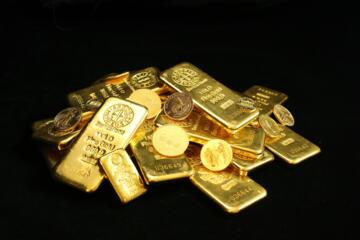
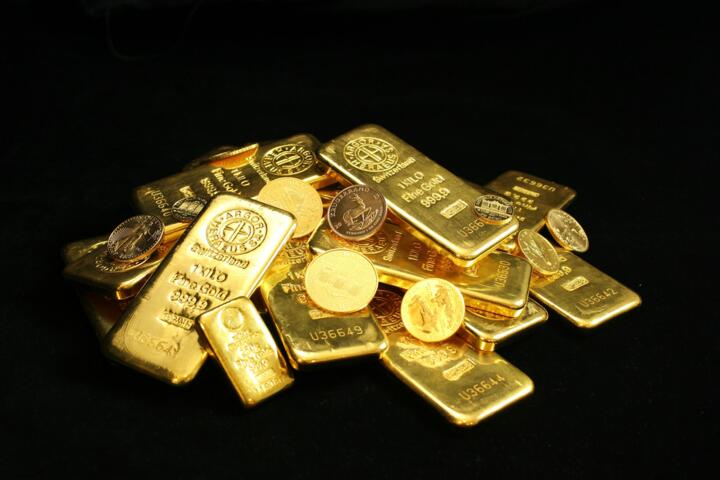
Lustrous bars invite security concerns, while ETFs simplify trades. I personally use GLD over physical, which involves insurance and locker fees (around 0.4% annual costs at 2024 rates).
Evaluate Correlation With Stocks
Track correlations quarterly using tools like Portfolio Visualizer to adjust commodity exposure if it starts moving with equities unusually. Keeping correlations low reduces sequence risk during withdrawal years.
Real Results: Case Studies
A FIRE couple in Texas added 5% GLD to their portfolio in 2019, alongside a core S&P 500 and bond mix. From 2019 to 2023, their portfolio volatility dropped 12%, while maximum drawdowns during 2020’s COVID crash improved by 6 percentage points. This adjustment gave them confidence to pull planned annual withdrawals safely.
By contrast, an individual focusing 15% of assets on commodity futures without professional guidance faced margin calls in 2022’s energy market volatility, forcing a forced liquidation at a 10% loss—timing mismatches painful for an early retiree reliant on steady cash flow.
Compare Gold vs Commodities
| Feature | Gold | Commodities | Inflation Hedge |
|---|---|---|---|
| Volatility | Moderate | High | Moderate |
| Generates Income | No | No | Sometimes (e.g., TIPS) |
| Liquidity | High (ETFs) | Variable | High (Bonds) |
| Cost | ~0.4% ETF fees | ~0.25%-0.35% | Low (Treasury fees) |
| Correlation | Low with stocks | Variable | Low |
Error Avoidance
Avoid overweighting commodities, especially volatile futures, in early FIRE stages. Excessive allocation reduces portfolio growth and complicates cash flow management. Never buy physical gold without secure storage and cost calculations—locker fees and insurance erode returns over time.
Avoid treating commodities as guaranteed inflation hedges; inflation often surprises, and not all commodities benefit equally. Make decisions based on data, not headlines or hype. Tools like Morningstar and Bloomberg can verify asset correlations and risks, which many investors skip.
Failing to rebalance regularly can cause unwanted risk buildup or missed profit-taking opportunities. Rebalance yearly or after major market events to keep the strategy aligned.
FAQ
Should I hold physical gold or ETFs?
ETFs offer convenience, liquidity, and low fees compared to physical gold, which requires storage and insurance. Most FIRE investors prefer ETFs like GLD for ease of use.
How much of my FIRE portfolio should be commodities?
Typically, 5% to 7% is enough to gain diversification benefits without overexposing the portfolio to volatility.
Can commodities protect against inflation?
They can offset some inflation risks but are not foolproof. Inflation-indexed bonds like TIPS often provide more stable income and protection for retirees.
Are futures suitable for DIY investors?
Futures require expertise, active monitoring, and margin management. They are generally unsuitable for unsophisticated FIRE investors.
When should I add gold or commodities?
Shift modestly into these assets in the decade before planned retirement to balance risk and growth needs.
Author's Insight
I started including a small gold ETF slice around 2018, which improved my portfolio’s resilience during 2020’s crash. The trades had to be precise—this isn’t one of those ""set and forget"" moves. Watching correlations quarterly means adjusting my stake slightly each year, though I rarely exceed 5%. The cost savings from ETFs versus physical bars also mattered during market dips, when liquidity becomes king.
Final Thoughts
Gold and commodities can add diversity and an inflation hedge to a FIRE portfolio when carefully sized and managed. Between 3% and 7% allocation—preferably via low-cost ETFs—balances risk and growth. Avoid futures unless experienced, rebalance annually, and consider inflation-indexed bonds first. That manageable approach aligns with steady early retirement goals without sacrificing income or security.