Beyond Cheapness
Frugality is often misidentified as deprivation, but in practice, it is a sophisticated form of resource optimization. While "cheapness" focuses on the lowest price regardless of value, true frugality focuses on the highest return on investment (ROI) for every dollar spent. It is the difference between buying a $5 umbrella that breaks in a week and a $60 Blunt Umbrella that lasts a decade.
In my experience consulting with high-net-worth individuals, the most resilient portfolios belong to those who practice "selective extravagance." They might drive a 10-year-old Toyota but spend $5,000 a year on high-quality organic nutrition or specialized education. Data from the Bureau of Labor Statistics shows that the average American household spends over $3,000 annually on "miscellaneous" small purchases that provide zero long-term utility.
The Burnout of Excess
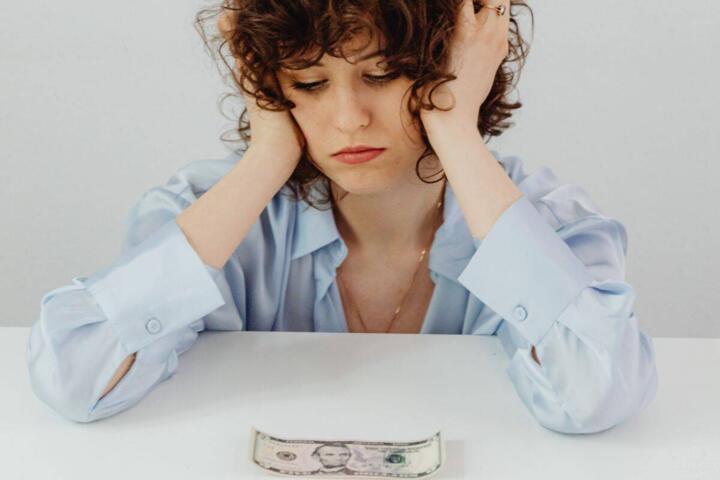
The primary pain point for most is "lifestyle creep," where every salary increase is immediately absorbed by higher fixed costs. This creates a cycle of stress where you must work more to afford things you have less time to enjoy. People often try to solve emotional exhaustion by purchasing "treats," which triggers a dopamine spike but leaves the bank account depleted and the underlying stress unresolved.
The consequences are measurable: according to Northwestern Mutual, 60% of adults say their financial planning needs improvement, yet they continue to prioritize immediate gratification. Real-world situations often involve professionals earning six figures who live paycheck to paycheck because they feel social pressure to maintain a specific "aesthetic," leading to "status anxiety" and eventual burnout.
Value-Based Spending
Mastering the 72-Hour Rule
Impulse buying is the enemy of contentment. By implementing a mandatory 72-hour waiting period for any non-essential purchase over $50, you allow your prefrontal cortex to override the emotional impulse. Using tools like YNAB (You Need A Budget) allows you to assign every dollar a "job" before you spend it. On average, users of this method save $600 in their first two months by simply acknowledging where their money was leaking.
The High-Quality Staple Strategy
Frugality means buying things that don't need replacing. Instead of "fast fashion" from brands like H&M, frugal experts look for "Buy It For Life" (BIFL) items. For example, investing in a Patagonia jacket or Iron Heart denim may cost 3x more upfront, but the cost-per-wear drops significantly over five years. This reduces decision fatigue and physical clutter, which psychologists link to lower cortisol levels.
Optimizing Recurring Expenses
Small leaks sink big ships. Use services like Rocket Money to audit forgotten subscriptions. Often, people pay for three different streaming services they rarely watch. Switching to a discount carrier like Mint Mobile or Visible can save $600+ annually without a loss in signal quality. Redirecting these "invisible" savings into an index fund like Vanguard’s VTSAX compounds into significant wealth over time.
Cultivating Low-Cost Hobbies
Miserable people spend money to be entertained; happy people create their own entertainment. Transitioning from expensive gym memberships to outdoor calisthenics or replacing $100 dinners with "potluck" socials at home fosters deeper community. Apps like Libby provide free access to thousands of ebooks and audiobooks via your local library, eliminating the $14.99/month Audible or Kindle costs.
Strategic Travel and Arbitrage
Travel doesn't have to be a luxury expense. By using Google Flights "Explore" feature and "travel hacking" with cards like the Chase Sapphire Preferred, you can fund international trips via points earned on necessary spending. This isn't about skipping the trip; it's about navigating the system to get the $2,000 experience for $200 in taxes and fees.
Proven Wealth Shifts
Consider the case of "Sarah," a marketing manager in Chicago. She was spending $4,500 a month on a luxury apartment, dining out, and Uber rides. By moving to a smaller, well-located neighborhood, using Divvy bike-share instead of ride-shares, and meal-prepping with Misfits Market, she reduced her overhead by $1,800 monthly. Within two years, she had a $40,000 emergency fund and reported higher happiness levels due to reduced work pressure.
Another example is a tech couple who adopted "extreme" frugality for 18 months using the FIRE (Financial Independence, Retire Early) methodology. They cut their 70% savings rate by eliminating a second car and utilizing Facebook Marketplace for all home furnishings. The result was a $120,000 windfall that they invested during a market dip, effectively shaving five years off their retirement timeline without feeling "deprived."
Efficiency Comparison
| Category | Standard Consumer Approach | Strategic Frugal Approach | Annual Savings Est. |
|---|---|---|---|
| Transportation | New Car Lease ($500/mo) | Used Honda / E-bike | $4,500 - $6,000 |
| Groceries | Convenience/Name Brands | Bulk Costco / Generic | $2,400 - $3,600 |
| Coffee | Daily Cafe ($6/day) | Home Brew (AeroPress) | $1,800 |
| Entertainment | Premium Cable/Events | Streaming/Nature/Library | $1,200 |
Avoiding Frugal Burnout
A common mistake is "over-optimizing," where you spend three hours to save $5. Your time has a dollar value; if your hourly rate is $50, don't drive across town to save $2 on gas. Another pitfall is buying "cheap" tools that break mid-project, leading to double expenses. Always apply the "tools you use most" rule: never skimp on your mattress, your work chair, or your shoes.
Social isolation is another risk. Don't become the person who never joins friends because of the bill. Instead, be the leader who suggests affordable alternatives, like a hike or a home-cooked meal. This maintains your social capital without draining your financial capital. Remember, the goal of frugality is to fund a life you love, not to see who can die with the most unspent cash.
FAQ
Is frugality just for low-income earners?
Absolutely not. Many millionaires are "closet frugalites." Using your resources efficiently is a wealth-building habit that applies regardless of your tax bracket. It's about maximizing the utility of every dollar.
Will my social life suffer if I spend less?
It actually improves. You transition from "transactional" friendships based on consuming (bars, clubs) to "relational" friendships based on shared experiences and conversation, which are far more fulfilling.
How do I start without feeling overwhelmed?
Start with one category. Use an app like Empower to track your spending for 30 days. Seeing the raw data usually provides the "shock" necessary to make the first meaningful cut.
Is it worth buying used items?
For items that depreciate instantly (cars, furniture, tools), yes. Platforms like eBay or Mercari offer high-end goods at 40-70% discounts. Just avoid used items that involve hygiene, like mattresses.
Can frugality help with mental health?
Yes. Financial stress is a leading cause of anxiety. Having a "buffer" or "F-you money" provides a psychological safety net that allows you to take risks, leave toxic jobs, and sleep better at night.
Author’s Insight
I spent years thinking that a higher salary would solve my stress, only to find that my spending rose to meet it. It wasn't until I embraced a "radical simplicity" that I felt truly wealthy. My best advice is to stop looking at what you're "giving up" and start looking at the freedom you're "buying." When you don't need the latest iPhone to feel validated, you gain a level of autonomy that no luxury brand can provide. Real luxury is having control over your time.
Summary
Living a frugal life is not about saying "no" to joy; it is about saying "yes" to the things that actually matter. By auditing your subscriptions with Rocket Money, investing in durable goods, and ignoring the pressure of social media aesthetics, you create a life of abundance. Start today by identifying one $50 monthly expense that adds no value to your happiness and redirect it into a high-yield savings account or an index fund. Financial freedom is built one intentional choice at home.