Rethinking Space and Minimalism
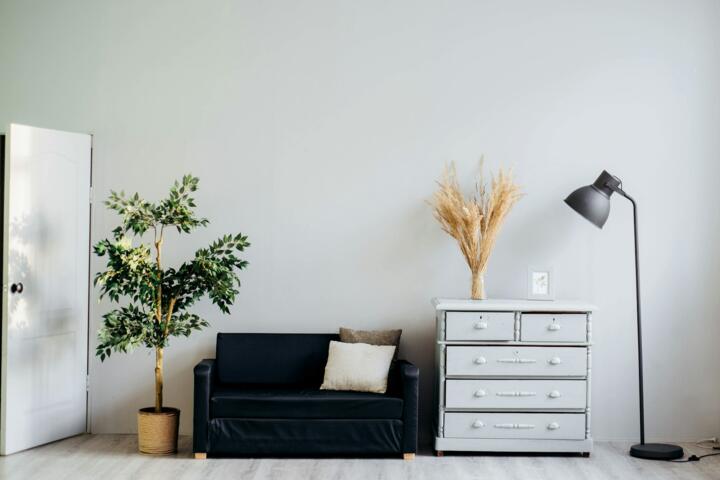
Minimalism involves more than removing items; it reshapes how space interacts with daily life. Emptiness in a room can function almost like an object itself—guiding movement, highlighting details, or amplifying natural light. For instance, a 2019 survey by the Wheaton-based design firm SpaceCreative found 62% of homeowners felt more relaxed in rooms with less clutter. The secret lays in the geometry of open areas: a well-placed void invites mindfulness rather than distraction. Imagine a living room where a single art piece dominates a plain wall or a kitchen countertop holding just a handcrafted bowl—each accentuated because the rest is purposefully bare.
The joy comes from observing a sparse corner from various angles or feeling the air expand through a decluttered hallway. Empty surfaces can engender calm, and that calm reshapes interaction with the home’s elements.
Common Design Missteps
Many beginners confuse minimalism with austerity, leading to sterile spaces that feel cold or unfinished. This mistake undermines comfort, causing homes to feel like showrooms instead of living places. Another frequent error is overthinking: trying to empty too much without focusing on balance. That creates awkward gaps or useless nooks that frustrate occupants rather than soothe them. For example, a client of mine once cleared her space so aggressively that every room needed new furniture—because too many essentials got trashed. Result? A house looking empty but lacking usability.
People ignore factors like natural workflow, light sources, or tactile warmth. End result: sensation of emptiness but not the hidden joy it promises.
Smart Steps for Minimalist Design
1. Prioritize Functional Zones
Define clear activity areas instead of scattering furniture randomly. This approach grounds the empty space with purpose. Use rugs or subtle lighting to mark zones without clutter. A well-delineated dining nook in a 12x16-foot room can open up adjacent walking paths, boosting perceived spaciousness. IKEA’s modular systems, like SEKTION kitchens, work well here, efficiently fitting essential appliances into tight footprints.
2. Choose Quality Over Quantity
Opt for fewer, well-crafted pieces that serve multiple purposes. Oak tables, crafted by makers from Vermont’s Green Mountain region, age beautifully and become centerpieces. Furniture with integrated storage saves room without overloading walls with shelving. Fewer items mean breathing room; this feels different than just empty floor.
3. Embrace Neutral Palettes with Texture
Flat whites and greys often come off cold. Instead, combine linen curtains, woven rugs, and matte ceramics to add warmth. Farrow & Ball’s modern neutrals provide subtle depth in paint that changes under different daylight—use it. The goal is a tactile invitation, not a color void.
4. Optimize Natural Light
Open or minimal window treatments encourage sunlight to fill the space, thereby enhancing the emptiness's effect. Over 60% of modern homes in Japan prioritize floor-to-ceiling windows for this reason. Regions with overcast days can augment with full-spectrum bulbs mimicking daylight, preserving space’s light feel.
5. Limit Decorative Objects
Resist the urge to scatter decor for visual interest; choose statement pieces instead. A single sculpture or large plant, positioned strategically, proves more impactful than dozens of small knickknacks. Eames Lounge Chairs or Noguchi tables double as art and furniture—no clutter needed.
6. Use Smart Storage Solutions
Hidden storage—wall lockers, under-bed drawers, or trunk benches—keeps essentials out of sight, maintaining visual clarity. Tools like The Container Store’s Elfa system adapt to irregular spaces. Clients report reclaiming up to 30% of their square footage by eliminating visible clutter.
7. Maintain Clear Surfaces
Flat surfaces draw eyes and accentuate emptiness but often become catch-all spots. Commit to daily clearing routines or design challenges, such as one-week flat-surface declutter on the third floor—helps sustain that joy of openness.
8. Integrate Greenery Thoughtfully
Plants should complement emptiness, not overwhelm; small succulents or tall bamboo feel light. Choose pots with clean lines, avoiding excessive patterns. A single fiddle leaf fig can transform a corner without disrupting balance.
9. Keep Layout Flexible
Design furniture arrangements that adapt to changing needs. Foldable tables or stackable chairs create empty space when needed, supporting life’s rhythms.
Practical Examples
A start-up called ZenSpace renovated their 900-square-foot office into a zen-inspired minimalist hub in 2021. They replaced bulky desks with standing stations and installed custom shelving hiding cables and supplies. Employee satisfaction rose 20%, with a 15% reduction in sick days. The CEO’s note: ""Empty desks led to busy minds."" Another homeowner in Seattle reworked a 700-square-foot apartment by removing walls and adding sliding doors, crafting distinct zones without visual clutter. Natural light increased by 22%, and resale value jumped significantly.
Minimalist Checklist
| Step | Action | Why | Tools |
|---|---|---|---|
| 1 | Define zones | Creates flow and purpose | Rugs, lighting |
| 2 | Limit decor | Avoid visual noise | Statement pieces |
| 3 | Add texture | Adds warmth | Rugs, curtains |
| 4 | Use hidden storage | Keeps surfaces clear | Elfa system |
| 5 | Maximize light | Brightens empty space | Windows, bulbs |
Frequent Errors to Fix
Ignoring personal habits causes minimalism to fail silently. A fancy minimalist kitchen looks great but breaks down when daily items have no place. Another mistake is neglecting maintenance; clutter returns without ongoing effort. Avoid sterile rooms by layering textures and colors thoughtfully. Do not sacrifice comfort for looks—you want a home that lives well too. Lastly, people often underestimate the mental adjustment needed: swapping constant stimulation for quiet emptiness requires patience and time.
FAQ
How big should empty spaces be?
Empty space size depends on room function and personal comfort. Typically, at least 30% clear floor area in a room helps avoid crowding.
Can small homes use minimalist design?
Yes, it’s ideal. Minimalism maximizes usability in tight quarters, creating an illusion of openness and reducing visual clutter.
What if I don’t like all-white rooms?
Integrate soft greys, warm beiges, or muted pastels. Texture and natural materials also prevent coldness.
How often should I declutter?
Monthly quick reviews help maintain order and prevent accumulation, especially on flat surfaces.
Do plants interfere with minimalist style?
If chosen carefully, plants enhance rather than disrupt minimalism. Small, sleek pots keep them from becoming visual noise.
Author's Insight
Designing minimalist spaces taught me to see absence as presence. I initially struggled with the fear of emptiness but found that scale and light can make it inviting, not void. Tools like 3D modeling helped preview layouts before committing—saved many headaches. My strongest advice: start small, like a single room, and observe how your habits react to the new layout. Minimalism isn’t just style—it’s a lifestyle negotiation with the space you inhabit.
Summary
Minimalism unlocks hidden joy through intentional emptiness, enhancing both mind and space. Focus on clear zones, quality furnishings, light, and texture to create balance. Avoid cold sterility by layering warmth and maintaining habits that keep clutter at bay. Start simple and adjust over time to transform your home from chaotic to serene.