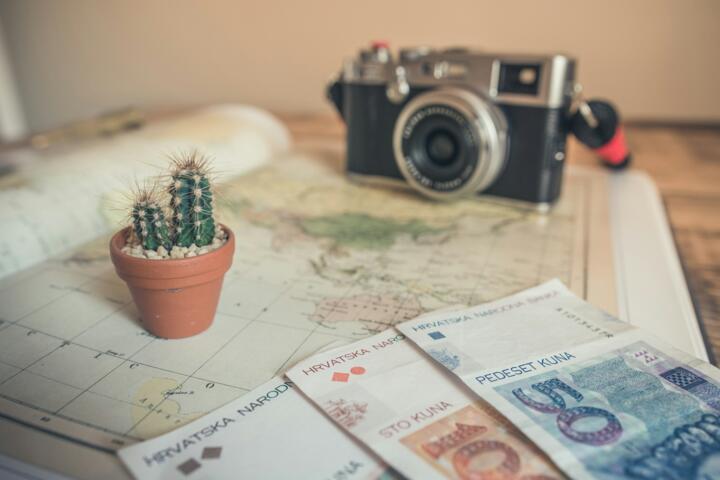
Building a Travel Savings Plan
A sinking fund is a targeted savings account designed to accumulate money over time for a specific goal. For instance, if you want to visit Japan in 18 months, you estimate the trip cost at $3,600. Setting aside $200 monthly covers your expenses comfortably, including flights, accommodations, and incidental costs.
Travel and hobbies often require sudden expenses that quickly drain your budget. According to a 2023 NerdWallet survey, 42% of travelers ended up borrowing or using credit due to unexpected holiday expenses.
Separating funds prevents mixing travel with daily expenses. It puts discipline in saving for desires without sacrificing urgent needs.
Common Savings Challenges
People frequently underestimate future costs or delay saving because the goal feels distant. Planning a trip two years away may lull you into procrastination, yet prices rise annually by roughly 3%. Waiting means paying more later.
Also, lumping hobbies into generic savings invites squander or emergency interference. When you count on leftover funds, the unpredictability results in postponed or canceled plans.
Imagine wanting to join a pottery class costing $400, but your kid breaks a phone the week before. You end up using credit cards or missing the session.
Actionable Steps for Saving
Calculate the Exact Cost
Begin by listing everything: transportation, equipment, entry fees, and incidental spending like meals or supplies. Use recent prices or quotes—for example, a roundtrip ticket to Italy in June 2024 currently averages $850 on Kayak.
This defines your target, helping you avoid guesswork that leads to shortfalls.
Set a Realistic Timeframe
Choose a deadline by when you'll use the funds. If you plan a dive certification in 12 months costing $1,200, divide to $100 monthly. Stretching or compressing this timeline misaligns your monthly savings and can cause frustration or last-minute scrambling.
Open a Dedicated Account
Use separate accounts like a high-yield savings account (e.g., Ally Bank, Marcus by Goldman Sachs) to earn interest and keep funds distinct. Avoid using your everyday checking or savings that you dip in regularly.
Automate Monthly Transfers
Set recurring transfers on payday to your sinking fund account. Automation avoids temptation to skip contributions. I use Chase’s automated transfer rules, which took me weeks to set properly around version 6.7 of their mobile app, but now it’s hands-free.
Track Progress Transparently
Maintain a spreadsheet or app-based tracker (YNAB or Mint) to monitor monthly progress. Seeing your balance grow powers motivation and flags when you miss deposits early enough to correct.
Adjust for Inflation
Factor in price increases by upping monthly contributions slightly every 6 months. If overseas travel costs rise 3% yearly, bump your monthly deposit by $5-$10 to stay on target instead of falling behind.
Use Windfalls Wisely
Bonus checks, tax refunds, or gifts can jump-start your sinking fund or provide a cushion boost. Don’t dip into these funds unless the goal happens early or changes.
Split Funds for Separate Goals
If you have multiple hobbies or trips planned, create sub-accounts or separate sinking funds. For example, $50/month to a photography fund and $75/month to hiking gear avoids confusing expenditures.
Stay Disciplined but Flexible
Life throws curveballs; if income changes or emergencies happen, reduce contributions temporarily but resume as soon as possible. The balance of discipline and leniency sustains the system.
Real Fund Examples
Lisa, a graphic designer, wanted to attend Burning Man in 15 months planning for airfare, camping gear, and supplies. Total budget $2,500. She opened an Ally Bank online savings account, set monthly transfers of roughly $167, and reached her goal early, enabling her to buy gear in winter sales saving $300.
Mark has several hobbies, including model trains and road cycling. He divided his sinking funds into two Capital One 360 accounts. This structure helped him avoid overspending on bikes and delayed train purchases unwisely before.
Sinking Fund Checklist
| Step | Task | Tool | Tip |
|---|---|---|---|
| 1 | Estimate costs accurately | Google Flights, Store Quotes | Include hidden fees |
| 2 | Choose deadline | Calendar, Planner Apps | Be realistic on timing |
| 3 | Open dedicated account | Ally, Marcus, Capital One 360 | Avoid commingled funds |
| 4 | Set automated transfers | Bank online tools | Payday transfers work best |
| 5 | Track and adjust | YNAB, Mint, Excel | Inflate targets yearly |
Typical Errors to Skip
Skipping budget detail is a frequent error. Lump sums like ""about $1,000"" create gaps that sabotage savings. Missed deposits lead to panic late in the timeline, forcing credit use or cancellations.
Mixing funds for multiple goals breeds confusion and overspending. Track separately to see clear progress and deadlines.
Finally, ignoring price trends or deals wastes money. Booking flights 6 months ahead can save up to 20% versus last minute. I've waited and lost more than I've gained—frustrating.
FAQ
Can I use regular savings?
You can, but mixing goals increases risk of unintentional spending. Separate accounts help keep clear boundaries.
How often should I contribute?
Monthly works well for most. Align with paydays for automated transfer convenience.
What if my plans change?
Adjust contributions or repurpose funds within a reasonable timeframe, but avoid withdrawing for unrelated expenses.
Does interest really matter?
For short timelines, small interest helps but isn't a game changer. Still better than zero yield.
How do I calculate variable hobby costs?
Estimate averages from recent or similar activities; add a 10-15% buffer for surprises.
Author's Insight
I’ve tried sinking funds for several travels and a few hobby classes. The discipline of automated transfers transformed vague intention into concrete results. One of my early mistakes was mixing sinking funds with emergency savings, which, frankly, most people skip but ruined the clarity of my progress. Using dedicated accounts and tracking with Mint helped me stay on course without babysitting the balance every day.
Summary
Setting up a sinking fund starts with detailed planning and ends with consistent contributions. Choose a clear goal, open a separate account, automate deposits, and track progress regularly. Adjust for changes and inflation to keep your plans realistic. This method lets you enjoy travel and hobbies without financial headaches or last-minute debt.