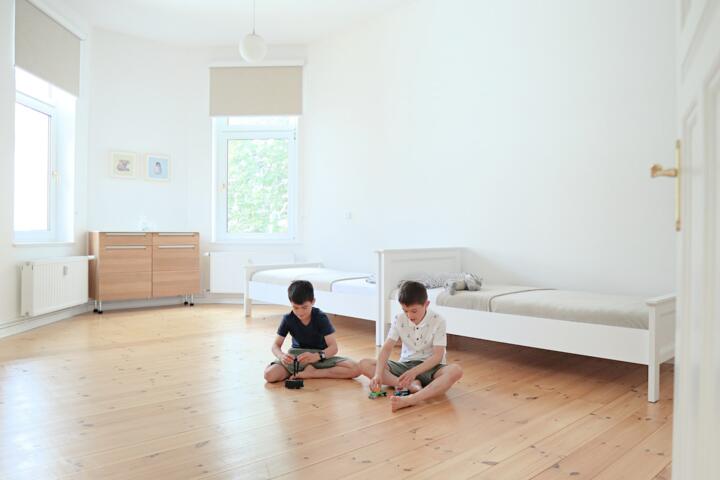
Rethinking Kids' Possessions
The idea of minimalism with kids often meets resistance because toys seem synonymous with childhood. Yet, more than 70% of toys in many households lie unused after a few months, according to a 2022 survey from the Toy Association. Less stuff doesn’t mean less joy though—it means a better focus on what matters: experiences that stick. Imagine swapping a box of plastic soldiers for weekly nature hikes or family cooking nights. Less clutter means kids develop creativity rather than passively consume. This shift also frees up physical and mental space for families.
Why Toy Overload Hurts
A common misconception is that more toys equal more engagement. The truth flips that notion. Children surrounded by excess toys often become overwhelmed, unable to focus or appreciate each item. Parents, too, get caught in a cycle of constant cleanup and buying, wearing thin after a day full of “clean-up again” battles. Overcrowded playrooms limit imagination by offering too many choices, leading to boredom rather than stimulation. A friend told me she had over 50 stuffed animals before downsizing, yet her daughter now prefers creating stories with just three. Clutter affects time management and family mood, and these piles aren’t just physical—they weigh on mental energy too.
Ways to Cut Back Efficiently
Rotate Toys Regularly
Limit accessible toys to a manageable set, like 8–10 at a time. Store the rest. Rotate every 2-3 weeks to keep interest alive and provide novelty without overload. This works because children get refreshed access and parents avoid constant decluttering. I used a labeled storage bin system named by date, oddly satisfying to track — version 2.3 of my personal organization plan.
Choose Open-Ended Toys
Opt for toys that inspire creativity: blocks, art supplies, or simple dolls. These toys last longer in play value by encouraging different uses instead of a single function. They foster problem solving and storytelling skills. The Montessori method highlights such toys as they promote independence and exploration, not just distraction.
Set Clear Limits on Purchases
Create a one-in, one-out rule: a new toy comes only if an old one leaves. This strategy maintains the toy count and prevents gradual overflow. A small inconvenience? Yes, but it cultivates mindful consumption and saves hundreds annually on impulse buys.
Make Experiences Gifts
Instead of birthday toys, gift experiences like museum passes, cooking classes, or zoo visits. This adds memories and learning rather than more stuff. Participation from parents strengthens bonds and provides quality time, which no toy can replicate.
Organize Playtime Zones
Create specific spaces dedicated to play, away from bedrooms or eating areas. This spatial delineation helps limit toy spread and trains kids to respect play boundaries without chaos. We made a simple chalk outline on the floor one winter; surprisingly effective and fun.
Lead by Example
Parents need to declutter too. Showing kids that adults enjoy minimalism encourages buy-in and modeling healthy habits early. Shared decluttering days turn into teaching moments and conversations about value versus quantity.
Use Subscription Boxes
Consider services like KiwiCo or Little Passports that deliver curated, educational toys in small amounts. These reduce storage needs, keep engagement fresh, and control toy accumulation with quality over quantity.
Encourage Donations
Teaching children to donate unused toys cultivates empathy and less material attachment. Tracking how many toys they pass on and choosing the recipients also creates reflection moments and gratitude.
Real Examples of Change
The Johnson family had over 150 toys crowding their living room; their kids struggled to pick a favorite, often giving up in frustration. They implemented a rotation system and embraced experience gifts last Christmas. Within six months, toy counts dropped 60%, playtime became more focused, and both children started crafting stories using fewer props. Another case: a daycare center in Seattle switched to exclusively open-ended toys, resulting in quieter, more concentrated play sessions and less cleanup time.
Simple Steps Checklist
| Step | Action | Benefit | Tools |
|---|---|---|---|
| 1 | Pick 10 toys to keep out | Reduces clutter, focus | Storage bins, labels |
| 2 | Rotate toys every 3 weeks | Keeps interest, novelty | Calendar app, reminders |
| 3 | Limit new toy buying | Prevents excess, saves money | Budgeting apps, wishlists |
| 4 | Gift experiences, not toys | Builds memories | Event tickets, memberships |
| 5 | Organize play zones | Less mess, clearer space | Room dividers, rugs |
Common Errors to Avoid
Avoid buying new toys out of guilt; kids notice when gifts replace your time or attention. Don’t overwhelm with too many new toys at once; this leads to quick discarding or ignoring. Steer clear of storing unused toys in easy reach, which defeats rotation purpose. Resist the urge to pressure kids to “play this” — they figure out what interests them, even if it’s slowly. Last, avoid neglecting your own minimalism; children mimic the household’s overall order, not just their play areas.
FAQ
How many toys is ideal per child?
About 10 to 15 toys per child allows variety without chaos, but it varies by age and interests.
Can minimalism suit all ages?
Yes, minimalism adapts from toddlers to teens by focusing on meaningful items and reducing clutter.
What if my child resists downsizing?
Involve them gently in decisions, keep favorite toys, and maintain gradual change to ease transition.
Are subscription boxes worth it?
Many parents find educational boxes like KiwiCo worth the cost for curated, rotating toys that reduce clutter.
How to handle gifts from relatives?
Share your minimalism goals with relatives or suggest experience gifts to keep toys limited.
Author's Insight
From personal experience managing a busy household with three kids, I found that clear limits on toys radically improved play quality. We track rotations using a simple spreadsheet I made in 2023. I noticed early resistance, which faded once the kids saw more freedom in fewer toys. My advice: start small, communicate often, and treat minimalism as an evolving family project that builds habits slowly.
Summary
Minimalism with children works through mindful reduction of toys and redirecting focus toward experiences that build memories and skills. Rotating toys, promoting open-ended play, and choosing gifts that enrich time together all reduce clutter and stress. Families who practice these methods often report calmer homes and more engaged kids. Start by cutting down to the essentials, then add experiences—the results speak for themselves.