Conscious Living Shift
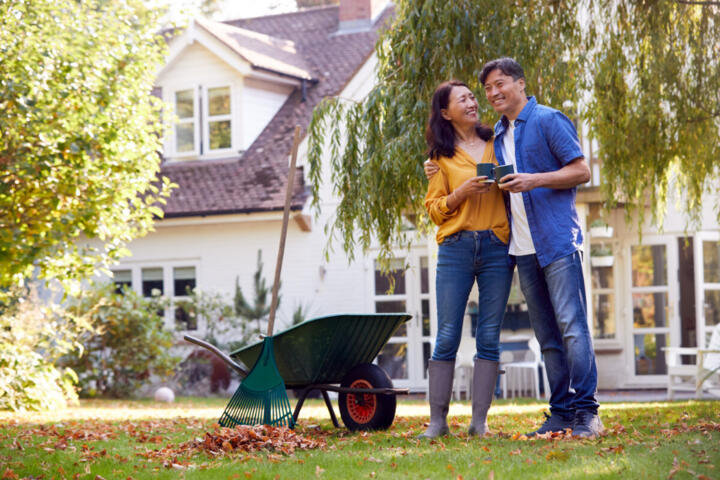
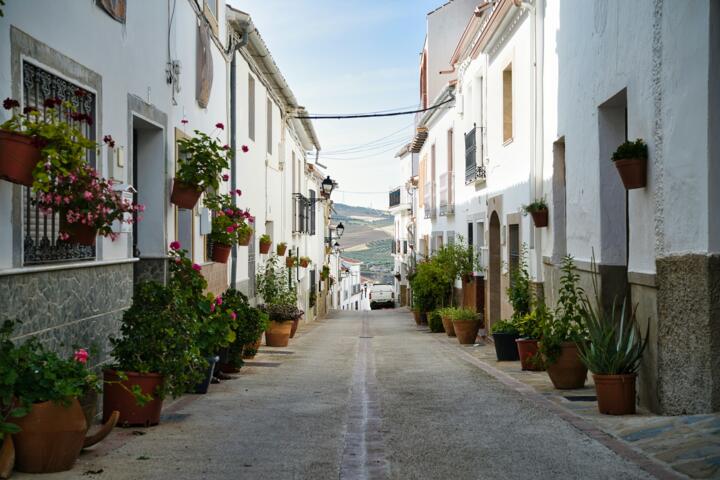
The couple’s journey began with a realization that their high salaries were being consumed entirely by rent, transport, and "convenience" costs. By relocating to a village with fewer than 500 inhabitants, they eliminated the primary drivers of inflation in their personal lives. Their current lifestyle focuses on resourcefulness rather than deprivation, proving that a high quality of life is possible on a fraction of a Western city budget.
In rural Spain, the economy often operates on a mix of formal transactions and informal bartering. For Mark and Elena, this meant trading web design help for local olive oil or surplus garden vegetables. In 2024, the average monthly rent for a two-bedroom village house in their area remains under €350, providing a massive advantage over urban centers like Madrid or Barcelona, where similar spaces exceed €1,200.
Remote Living Challenges
The "Infrastructure Gap" in Rural Areas
One of the hardest adjustments was the lack of immediate services. There is no Amazon Prime same-day delivery, and the nearest specialist hospital is a 90-minute drive. For many, the isolation becomes a psychological burden. Mark notes that "the silence is deafening if you aren't prepared for it," highlighting that the lifestyle requires a specific temperament that values solitude over social stimulation.
Navigating Spanish Bureaucracy
Living on a low budget requires legal residency, which involves navigating the "Padron" and "Residencia" systems. Without a steady Spanish salary, proving financial means can be difficult. The couple faced significant hurdles with the Extranjería (Immigration Office), requiring them to show a specific amount of savings in a Spanish bank account to satisfy "sufficient means" requirements for non-lucrative residency.
The Maintenance Trap
Buying a "cheap" ruin for €30,000 often leads to financial ruin. Beginners frequently underestimate the cost of traditional materials and the difficulty of finding reliable tradespeople in remote areas. Elena explains that they chose to rent first to avoid the hidden costs of property ownership, which can include IBI (property tax) and constant repairs to old stone foundations that are not suited for modern plumbing.
The Language and Social Barrier
Integration is not optional on an €800 budget. If you cannot speak Spanish, you pay the "foreigner tax"—inflated prices for services and a lack of access to local deals. The couple spent their first six months in intensive self-study. Without the ability to converse with neighbors, they would have missed out on the local knowledge that allows them to source cheap firewood and wholesale produce.
Seasonal Fluctuations in Income and Costs
Rural living is cyclical. In winter, heating costs in poorly insulated stone houses can double the utility bill. The couple learned the hard way that a €100 electricity bill in July can jump to €250 in January if using electric heaters. They had to pivot to a estufa de leña (wood stove), which requires physical labor and bulk purchasing of olive wood in the summer months.
Budgeting Strategies
Housing: The Anchor of the Budget
The couple pays €325 per month for a renovated cottage. They found this through word-of-mouth rather than online portals like Idealista or Fotocasa, where prices are often 20% higher for tourists. By signing a long-term contract and paying six months in advance, they secured a rate that hasn't increased in three years.
Food: From Supermarkets to Mercadillos
They capped their food spend at €250. They avoid "luxury" imported items from stores like Carrefour and instead shop at the weekly mercadillo (street market). A 5kg bag of local oranges costs €3, and bread is bought daily from the village bakery for €0.80. They also utilize a small huerto (vegetable garden) to grow seasonal greens, saving roughly €40 monthly.
Utilities and Connectivity
High-speed internet is surprisingly available via satellite or 4G/5G routers from providers like Digi or Starlink. They pay €30 for a fiber connection. Water is cheap in the mountains, often costing less than €15 a month. Their main variable is electricity, managed by using Solar 360 panels which reduced their grid dependency by 60%.
Transport: The Necessary Evil
A car is mandatory. They own a 15-year-old Dacia Sandero, chosen for its low insurance and cheap parts. Their transport budget of €100 covers fuel for one weekly trip to the city and annual maintenance. They save on insurance by using Línea Directa, which offers competitive rates for low-mileage rural drivers.
Health and Leisure
Spain’s Convenio Especial allows them to pay into the public healthcare system for a fixed monthly fee (around €60 per person). For leisure, they trade expensive dinners for tapas culture. In their village, a €2.50 beer often comes with a substantial free plate of food, making "going out" an affordable social necessity rather than a luxury.
The Monthly Breakdown
| Expense Category | Monthly Cost | Key Strategy |
|---|---|---|
| Rent | €325 | Direct negotiation with landlord |
| Groceries | €250 | Local markets and seasonal eating |
| Utilities | €75 | Wood heating and LED lighting |
| Health | €120 | Public system access (for two) |
| Internet/Phone | €30 | Budget fiber/mobile bundle |
Avoiding Expat Mistakes
The most expensive mistake is trying to recreate a UK or US lifestyle in rural Spain. Buying imported peanut butter, cheddar cheese, or high-end electronics will drain an €800 budget in two weeks. Another error is relying on "expat" handymen who charge double the local rate. It is essential to learn basic home maintenance and use the same services the locals use.
Finally, many people forget about the Modelo 720 or local tax obligations. Even on a low budget, you must report global assets if you stay more than 183 days. Failure to do so can result in fines that exceed a year's worth of living expenses. Expert consultation with a Gestor (administrative professional) in your first year is an investment that prevents catastrophic financial leaks.
FAQ
Is it legal to live on €800 a month in Spain as a foreigner?
It depends on your residency status. EU citizens have it easier, but non-EU citizens (like those from the UK or US) must typically show higher income or savings to obtain a visa. However, once residency is established, your actual spending is up to you.
Can I find remote work while living in a Spanish village?
Yes, but check "coverage maps" before moving. Many villages now have fiber optics (ADSL is being phased out). Digital nomadism is highly compatible with this lifestyle, provided you have a reliable backup power source for occasional mountain outages.
How do you handle social isolation?
Integration is key. Joining the local "Peña" (social club) or volunteering for village festivals (Fiestas) is essential. If you don't participate in the local culture, the low cost of living won't compensate for the loneliness.
Is the healthcare quality good in rural areas?
The Consultorio (village clinic) is excellent for basic needs, and doctors often do home visits. However, for surgeries or specialists, you will have to travel to the provincial capital (e.g., Granada, Málaga, or Almería).
What about the heat in the summer?
Andalusia can reach 45°C. Traditional thick-walled stone houses stay cool naturally, but you must adapt to the Siesta schedule—closing all shutters at 10 AM and not opening them until sunset. Air conditioning is a budget-killer.
Author’s Insight
Living in Spain for five years has taught me that the "cost of living" is a flexible concept dictated by ego. When I lived in Madrid, I felt poor on €2,000. In a village, I feel wealthy on €900. My practical advice for anyone attempting this: have a "buffer" fund of at least €10,000 before you make the leap. Rural life is cheap day-to-day, but when a tractor hits your car or your roof leaks, you need immediate liquidity that an €800 monthly budget cannot provide.
Summary
Living on €800 a month in rural Spain is a viable path to financial freedom, provided you trade convenience for community and consumerism for craftsmanship. The success of Mark and Elena hinges on their local integration, housing choices, and dietary adaptations. To start your own journey, begin by learning Spanish and scouting "Empty Spain" locations during the off-season to see the reality of winter. Focus on securing a direct-to-landlord rental and embracing a slower, intentional pace of life.