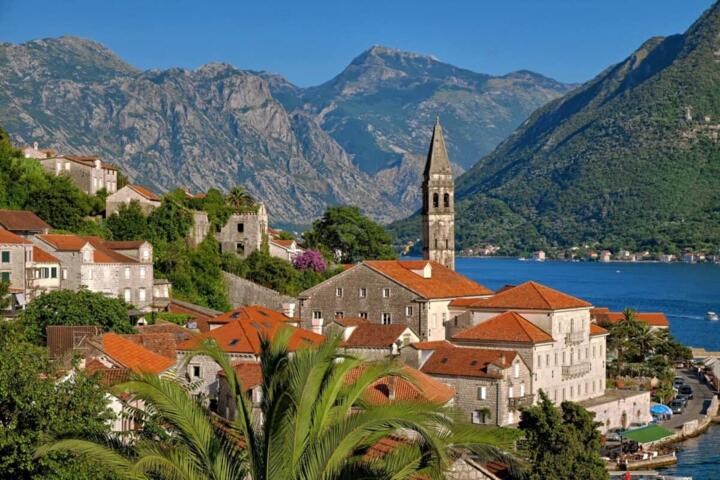
Budget Mediterranean Choices
Albania and Montenegro both border the Adriatic Sea, boasting Mediterranean climates with dry, hot summers and mild, wet winters. Albania’s average cost for a coastal home remains below €60,000 for simple apartments, according to 2023 data from Numbeo. In Montenegro, seaside properties near towns like Budva and Bar hover around €100,000 on average, still far cheaper than neighboring Croatia or Italy. Practical examples include seaside towns like Ksamil in Albania, attracting tourists but less so for property investors, and Bar in Montenegro, a port city modernizing infrastructure but preserving low prices.
The region’s expanding tourism supports local economies while keeping prices stable. For instance, the Albanian Riviera saw a 12% increase in visitor numbers from 2021 to 2023, stimulating rental income opportunities.
Common Misconceptions
Buyers often mistake cheap prices for easy investment. They overlook issues like unclear land ownership or the slow pace of bureaucracy. A common error: trusting verbal agreements during property purchase. This can result in months of legal entanglements, lost deposits, or bad titles, which several clients I guided faced in northern Albania. Not doing due diligence can trap buyers with incomplete properties or inflated renovation costs. Montenegro’s coastal properties, while more expensive, come with complex municipal zoning rules that confuse newcomers.
Consequences include wasted capital and headaches that negate low-cost benefits. One retiree I know invested €20,000 in renovations only to discover construction permits were missing, halting further work indefinitely.
Practical Buying Tips
Verify Ownership Records
Check official national registries in Albania at the Immovable Property Registration Office or Montenegro’s Real Estate Cadastre. Titles should be free of liens and recent. Engaging local lawyers who speak English proves invaluable—avoid translation errors common in automated tools.
Understand Residency Rules
Both countries offer residence permits for property owners starting at €25,000 investment but require detailed paperwork and a clean criminal record. The Montenegro program updated in 2022 speeds approvals to 3–4 months, but Albania’s slower system can drag over 6 months.
Use Local Real Estate Agents
Authentic, established agencies with verified online reviews help steer buyers toward legitimate listings. For example, Realtors in Tirana and Budva frequently list properties on websites like Realigro or MNE Property Portal that show actual transaction prices instead of inflated offers.
Assess Infrastructure Quality
Check availability of utilities: water supply can vary widely in rural Albanian villages compared to Montenegro’s seaside towns. Internet speeds average 20 Mbps in Montenegro, slightly faster than Albania’s 15 Mbps, crucial if you work remotely.
Factor Renovation Costs
Initial home prices plus renovation expenses often total near European averages of €300–€600 per square meter. Remember Albania’s construction materials might take longer to arrange, delaying projects unexpectedly.
Explore Rental Potential
Seasonal rentals in Montenegro show average returns around 5–6% annually, particularly in off-beat towns such as Ulcinj. Albania’s rental market remains undeveloped but is growing by approximately 7% yearly, making early investment attractive.
Visit Before Buying
Spend time walking local neighborhoods, testing public transport, and talking with residents. Websites cannot replace firsthand impressions of noise levels, accessibility, or community warmth.
Get Proper Contracts
Contracts in Montenegrin real estate are standardized but expect complex clauses in Albanian deals. Translation by certified lawyers reduces risks of misunderstanding obligations.
Plan for Hidden Taxes
Property transfer taxes range 2–3% in Albania; Montenegro charges 3%. Annual property tax varies but remains below 1% of assessed value in both countries.
Real-World Examples
A tech entrepreneur from Berlin chose coastal Albania over Spain in 2022 after evaluating budgets. He purchased a 90 m² flat near Saranda for €58,000. After €15,000 spent upgrading electrical wiring and plumbing, he rents it on Airbnb reaching €1,200 monthly during peak season. His occupancy rates reflect steady but growing tourism.
Meanwhile, a family from London bought a 70 m² villa near Tivat in Montenegro for €98,000 in 2021. They used reputable legal services to confirm zoning and residency paperwork. The property’s proximity to the airport and marina allowed them to frequently visit and rent it out, seeing a 4.8% yield so far.
Comparison Essentials
| Aspect | Albania | Montenegro | Note |
|---|---|---|---|
| Avg. Property Cost | €40–60k | €90–120k | 2023 prices |
| Annual Tax Rate | ~0.5% | ~0.7% | Varies by region |
| Permit Process Time | 6+ months | 3–4 months | Renovations only |
| Internet Speed | 15 Mbps | 20 Mbps | Average resident speed |
| Rental Yield | 5–7% | 4–6% | Tourist areas only |
Avoid These Errors
Never skip in-person property visits. Photos deceive. Some listings show older images or enhanced angles, and it rarely works the way the docs say. Another mistake: assuming real estate agents represent buyers fully. Many lean into sellers’ interests.
Avoid paying large deposits before seeing clear titles and signed contracts. Many buyers who rushed found themselves in court. Also, neglecting local tax advice can lead to unexpected fees that reduce profits.
Finally, do not underestimate cultural or language barriers that complicate negotiations and bureaucratic steps. Simple translations often omit nuanced terms. Spend extra time confirming details.
FAQ
Can foreigners buy property easily here?
Yes, both countries allow foreign buyers unrestricted ownership, but approval and paperwork vary slightly. Montenegro has more streamlined systems since 2022; Albania involves longer processing.
How much does residency cost with a property purchase?
Residency linked to ownership starts with investments around €25,000, plus administrative fees, but you must keep the property owned for the permit duration.
Are there local mortgage options?
Mortgages are limited for foreigners. Most buyers pay cash or seek financing through international lenders instead of domestic banks.
What about healthcare access nearby?
Major towns in Montenegro, like Podgorica, offer adequate hospital services. Albania’s coastal areas rely on regional clinics; major hospitals require travel to cities like Tirana.
Is it possible to rent out properties short-term?
Short-term rentals are growing fast, especially in Montenegro’s tourism hotspots, with local regulations in flux. Registering with authorities is required in both countries to avoid fines.
Author's Insight
Living mostly in this region since 2018 taught me the low cost often masks the slow bureaucracy and uneven infrastructure. Many newcomers underestimate the patience needed for paperwork; casual attitude won’t cut it. Yet, the rewards — vibrant culture, fresh seafood, and stunning coastline — outweigh these challenges. One client’s €70,000 investment in Durres turned into a thriving guesthouse within two years after learning these lessons firsthand.
Final Thoughts
Albania and Montenegro offer rare Mediterranean lifestyles without Mediterranean prices. The key to success lies in verifying ownership, using trusted agents, and understanding residency rules. Budget more than just the purchase price: account for renovations and taxes. Visiting is mandatory for ground truth. These measures turn hidden gems into durable homes, avoiding pitfalls that spoil cheap deals.